
I once visited a home that looked beautiful during the day but felt completely different after sunset. The furniture was thoughtfully arranged, the walls had warm neutral colors, and the decorative details were carefully chosen. Yet, when evening came, the living room felt strangely flat. One ceiling light illuminated the middle of the room, leaving the corners dark and the reading area uncomfortable.
That experience changed how I think about interior lighting. I used to treat light fixtures as finishing touches, something to choose after the furniture and paint. Now I see them as part of the design itself. A resource like Ferguson Home makes it easier to explore different lighting styles and fixture types, but the first step is understanding what each room actually needs.
Think About How a Room Is Used, Not Just How It Looks
When I consider lighting for a home, I start with the activities that happen in each space. A kitchen needs enough light for preparing food, reading labels, and cleaning. A bedroom benefits from softer illumination, while a home office needs lighting that supports concentration without creating distracting glare.
This is why I find the idea of layered lighting so useful. Rather than depending on one fixture, a room can combine three types:
- Ambient lighting provides general illumination. Ceiling fixtures, recessed lights, and some ceiling fans with integrated lights can serve this purpose.
- Task lighting focuses on specific activities. Pendant lights above a kitchen island, vanity lights, and desk lamps are common examples.
- Accent lighting draws attention to details such as artwork, shelving, architectural features, or decorative objects.
These layers do not need to be complicated. Even adding a wall sconce beside a reading chair or under-cabinet lighting in the kitchen can make a room feel more complete.
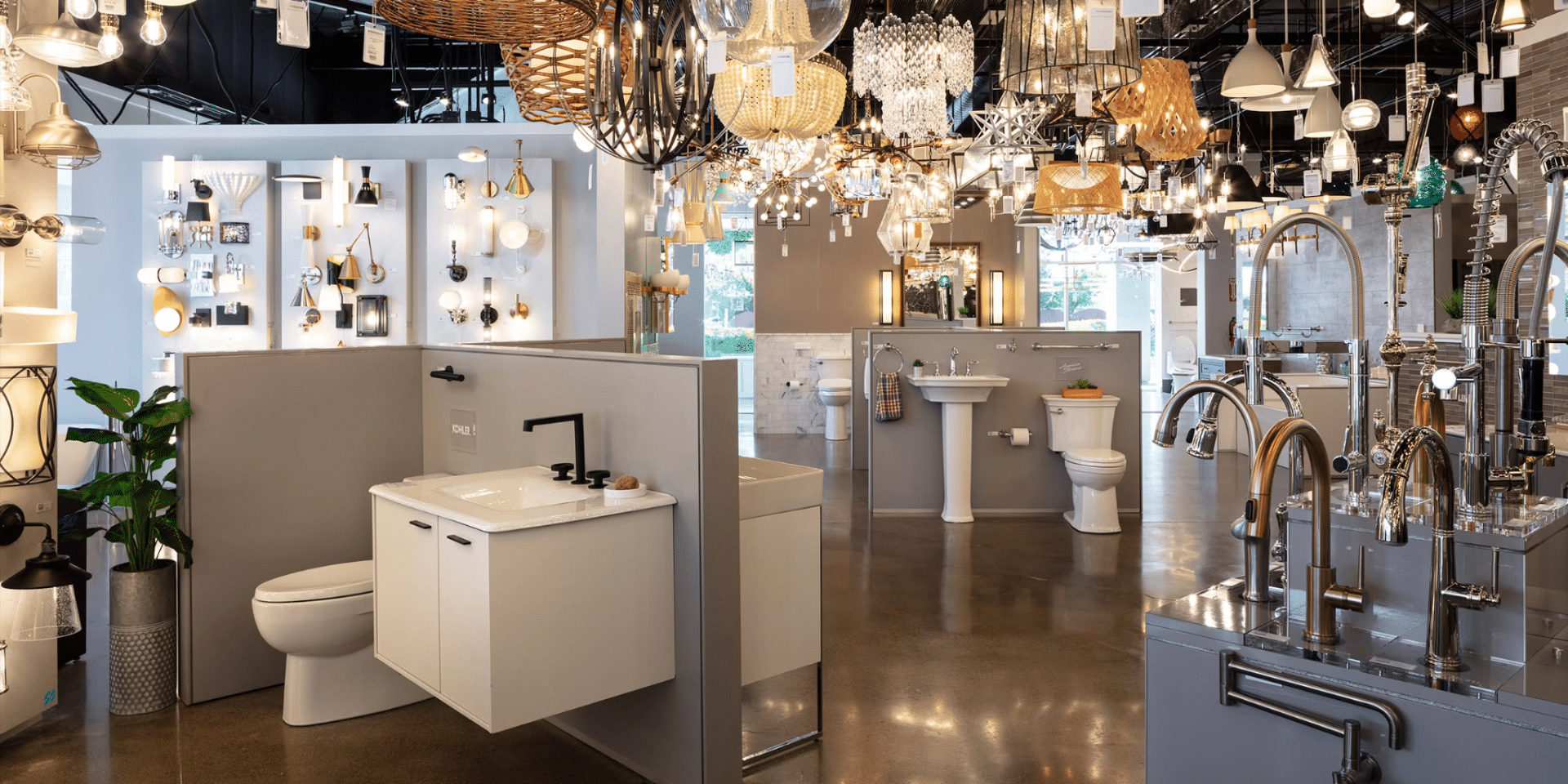
When browsing Ferguson Home, I would look at the purpose of a fixture before its finish or decorative style. Its lighting selection includes chandeliers, wall sconces, pendant lights, recessed lighting, and other indoor options. Seeing these categories together helps homeowners consider how different fixtures might work within the same space.
A Room-by-Room Approach Makes Choosing Easier
I find it helpful to imagine how lighting changes throughout an ordinary day. In the morning, a kitchen needs clear, practical illumination. By evening, the same room might become a place where family members gather, talk, and relax. A combination of overhead lighting and softer accent options can make that transition easier.
In the living room, I would avoid relying entirely on a central ceiling fixture. Floor lamps, table lamps, and wall sconces can create smaller pools of light, making the space feel more welcoming. A dimmer can also provide flexibility, provided the selected fixture and bulbs are compatible.
Bedrooms require a slightly different approach. Bedside lighting should be convenient to reach, while overhead illumination should be sufficient for dressing and organizing. In smaller bedrooms, wall-mounted fixtures can free up valuable table space.
Bathrooms deserve careful planning too. Vanity lighting should illuminate the face without producing harsh shadows, and fixtures must be suitable for their intended location and moisture exposure.
For larger or open-plan rooms, I would also consider ceiling fans. Ferguson Home offers indoor and outdoor ceiling fan options, including models with integrated lighting. This can be useful when homeowners want to address air circulation and illumination together. The size of the room, ceiling height, and installation requirements should all influence the selection.
Small Details That Make a Noticeable Difference
One mistake I often see is choosing fixtures based only on appearance. A large chandelier might look impressive in a showroom photograph but overwhelm a small dining area. A beautiful pendant may hang too low above a kitchen island. Even the wrong bulb can make a carefully designed room feel uncomfortable.
Before buying, I would check the fixture’s dimensions, mounting requirements, bulb compatibility, light output, and whether it supports dimming. It is also worth considering color temperature. Warmer light can create a relaxed atmosphere, while cooler or more neutral light may be better suited to certain work areas.
Another mistake is forgetting how natural light affects the room. A space with large windows may need less artificial illumination during the day, while a narrow hallway or room with limited windows may need a more deliberate lighting plan.
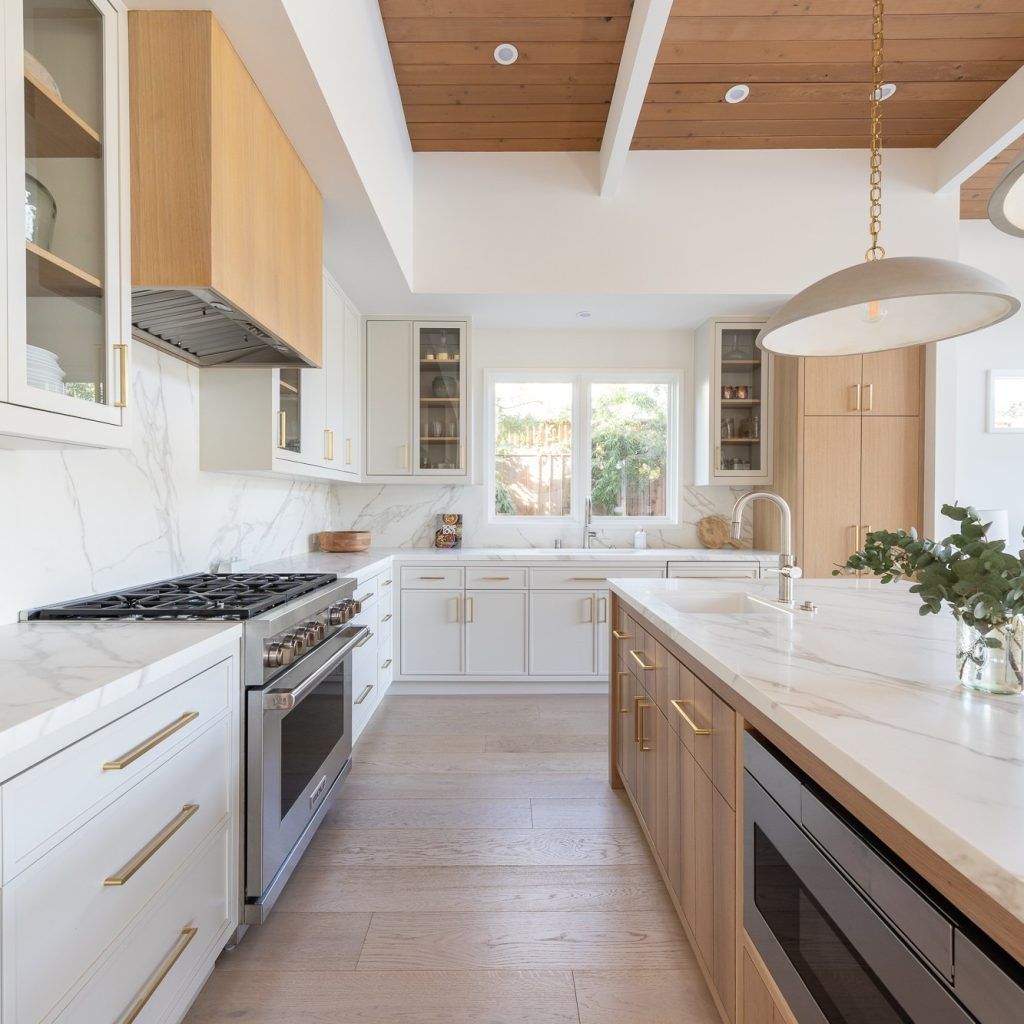
Ferguson Home is one place to compare decorative fixtures, lighting options, and ceiling fans across different styles. Homeowners can explore choices online or visit a showroom to view selected products and discuss their requirements. I would still recommend checking measurements and consulting a qualified electrician when installation involves new wiring or changes to existing electrical connections.
I have learned that good lighting is rarely about having the brightest room or the most expensive fixture. It is about making each space comfortable for the way people actually live. Sometimes, one well-placed lamp or a better kitchen light can make a greater difference than an entire room makeover. When lighting is planned with purpose, the home feels more inviting from morning through evening.
Powiązane artykuły
 Mieszkanie w centrum – inwestycja w przyszłość
 Wyciągarki elektryczne – jak je prawidłowo konserwować?
 Krzesła drewniane nowoczesne – styl, trwałość i ponadczasowy charakter w jednym
 ORO – 3 produkty do sprzątania, które musisz mieć w swoim domu
 Szklana balustrada schody w stylu loft – połączenie szkła, stali i drewna
 Hanlo – inwestycja w zdrową, ekologiczną przyszłość